
.jpg)
All products featured on Self are independently selected by our editors. However, we may receive compensation from retailers and/or from purchases of products through these links.
I’m a big proponent of IUDs. The birth control option, formally known as an intrauterine device, lasts years (between three and 12, depending on the type) and it’s a “set it and forget it” solution. There are no daily pills to take, and aside from the occasional placement check by yourself or your doctor, it’s a pretty straightforward and extremely effective way to prevent pregnancy.
I’ve shouted from the rooftops about my love for my IUDs with one small caveat. The insertion process is, let’s just say, not pleasant. For a long time—over the course of 20 years and two IUDs, in my experience—I justified it with the thinking that just a couple of painful minutes would offer me years and years of pregnancy protection. I got the Paragard copper IUD in college, and the Kyleena, a hormonal IUD, in 2019 after having a baby. Both times, I brushed my physical discomfort aside as yet another “cost” of being a woman. That was, until I refused to put myself through the agonizing pain of insertion for a third time.
Instead, I decided to go under anesthesia—an option finally becoming more readily available to women who undergo the procedure—and I don’t regret it for one second.
What is an IUD, and how does it work?
“An IUD, or intrauterine device, is a small T-shaped device placed in the uterus by your physician,” explains Dr. Adrienne Stevenson, MD, a board-certified ob/gyn and Twentyeight Health care provider. “It's one of the most effective forms of birth control, with over 99% effectiveness.”
There are two types available: hormonal and non-hormonal. “An IUD is used for long-term, reversible birth control, with copper (non-hormonal) and hormonal (progestin) options available,” adds Dr. Jennifer Peña, MD, Chief Medical Officer of Wisp. “Copper IUDs make the uterus inhospitable to sperm, while hormonal IUDs thicken cervical mucus, block sperm, and can sometimes prevent ovulation.”
Providers place an IUD by first introducing a speculum into the vagina. “The speculum allows us to see the cervix,” explains Dr. Stevenson. Then, the IUD is inserted via “a plastic sheath that compresses it, allowing it to pass through the cervix and into the uterus,” Dr. Stevenson says. The sheath comes out once the IUD is properly placed. Pain levels during the procedure can vary from person to person, but most people feel something when the IUD passes from the cervix into the uterus. Nerves inside the reproductive system can cause cramping similar to period cramps for some, while others might feel intense, sharp pain.
Both Paragard and Kyleena, the IUDs I’ve tried, warn of pain during and after placement. Some providers recommend patients take ibuprofen before the procedure to get ahead of any discomfort. But for many, like me, that does little to nothing to numb the sharp pains of insertion. I got my first IUD when I was just 21. The experience was so horrific that I wiped it from my memory, and today I can't remember a thing: My mom told me I sobbed in the car the entire ride home. After I had a baby in 2019, I thought getting my second IUD would be easier and less painful, as many doctors say it may be after giving birth. But I was wrong. My second IUD, a Kyleena, was just as painful.
I’m not alone in my experience. “Studies have consistently shown that up to 70 to 80 percent of patients describe the experience as moderate to severe pain, especially those who haven’t given birth,” Dr. Peña says. Yet historically, women have been denied appropriate care that would adequately prevent or treat that pain. Dr. Peña attributes this to a variety of factors: “a history of medical practices underestimating and inadequately addressing women's pain, a lack of clear evidence on the effectiveness of certain pain relief options, and a historical absence of a standardized protocol for pain management in such procedures,” she says.
But thankfully, this is changing. Women are fed up, and like me, they are sharing their experiences—on TikTok (where some have even livestreamed their insertion procedures to prove a point), Reddit, and anywhere else the medical establishment might listen. At one point in time, the American College of Obstetricians and Gynecologists, or ACOG, described IUD insertion as causing “temporary discomfort,” as SELF previously reported. Many, like me, think this is the understatement of the century. (A previous SELF story referenced a source who compared the pain to “bleeding out of [her] ears.”)
“More patients are coming in informed, vocal, and ready to advocate for comfort during IUD placement,” Dr. Peña adds. “Social media, online forums, and women’s health communities have helped normalize talking about what the procedure really feels like, so people are less likely to accept ‘you’ll just feel a little cramp.’”
Dr. Stevenson mentions another reason this is so important: When a traumatic or painful experience can discourage people from seeking medical care or birth control in the future. “By making procedures more tolerable, we support better health outcomes and also foster trust and empowerment in the healthcare system,” she says.
We need to believe women when they say they are in pain. We also have a right to get birth control and to get it safely. “For years, the assumption was that discomfort was brief or minimal,” Dr. Peña says. “Now, we’re seeing more providers take pain management seriously.”
What pain management options are available for an IUD insertion?
In May 2025, ACOG formally updated their recommendations for pain management during IUD placement and other in-office gynecological procedures—a validating moment for anyone who knows how painful getting an IUD can be.
Now, there are several options for relief, from over-the-counter medication (like the ibuprofen I noted before) to sedation or, as in my case, anesthesia:
- A pre-procedure dose of NSAIDs (like ibuprofen) “This has been shown to help with cramping after, but its effectiveness to help with pain during the procedure is debated,” says Dr. Stevenson.
- Cervical numbing: Your provider will use lidocaine spray or gel at the cervix to numb the area.
- Paracervical block: This involves injecting lidocaine into the tissue around the cervix to block pain signals from the uterus. Dr. Stevenson says it’s comparable to the numbing injection you’d get before a dental procedure.
- Anesthesia: The patient goes under anesthesia to block all sensations of pain. There are four types: local (common in dental), sedation (offered for this IUD insertion), regional (which I did for my cesarean section), and general (used for longer surgeries—I had this for my recent breast implant surgery).
It’s worth noting that IUD removal is far less intense than insertion, and many patients won’t need pain relief. It’s a much quicker process, and is “often experienced as a mild cramp or slight discomfort, though some report moderate pain,” Dr. Peña says.
There are pros and cons to each of these pain management methods, and ultimately you should decide which might be best for you alongside your healthcare provider. Local anesthesia, for example, “is generally low-risk,” Dr. Stevenson says. “But even local anesthetics can cause side effects such as lightheadedness, allergic reactions, or a vasovagal response (fainting or dizziness triggered by pain or anxiety).”
My personal experience
I’m lucky to live in New York City, and not to sound crass, but you can get pretty much anything here you want as long as you pay for it. This includes what I would call privileged or luxury medical care.
I’ve been going to a women’s healthcare clinic called Viva Eve since 2022. I love their immaculate, modern office and their caring doctors and nurses. I asked about pain management options for my third IUD placement in 2024, and I was pleasantly surprised when they said they offered twilight sedation, where you can quickly fall asleep and easily wake up after the short procedure. They told me it would cost $500, which I paid through my HSA account.

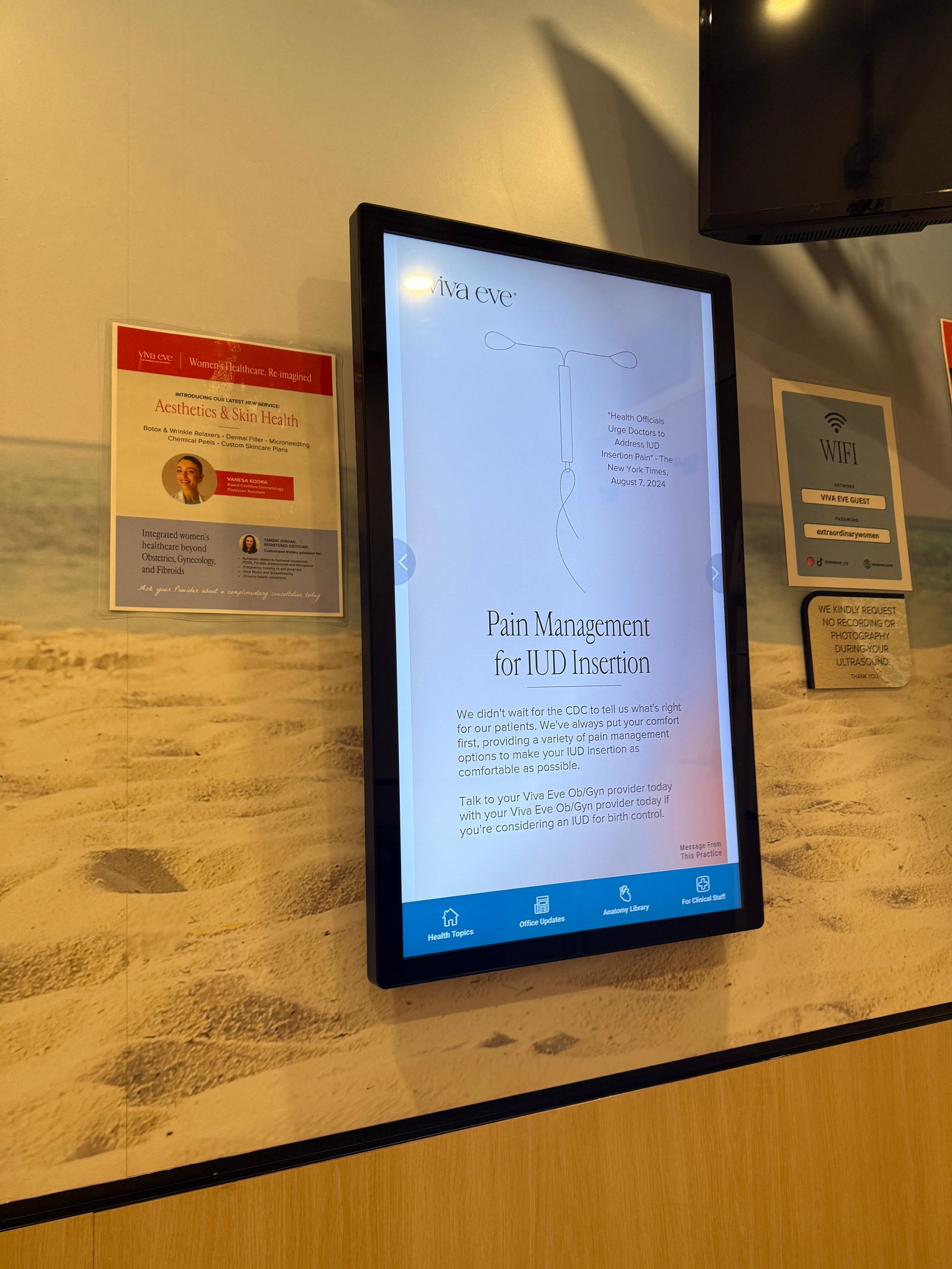
Honestly, being on an all-clear-liquid diet the day before the procedure to lower the risk of aspiration was the hardest part. The day of the procedure, I arrived at the office and less than three hours later, I was home.
I arrived at the office—which is extremely calming and warm, not cold or clinical—around 7:45 a.m. Within minutes, I was taken to an exam room and changed into a gown. I met with an anesthesiologist who reviewed my medications and ensured I had not eaten in the time frame I was told. She put an IV into my arm and we moved into an operating room. I laid on the table and counted backwards from 10. From there, I don’t remember anything until I woke up in recovery.
My doctor described the anesthesia as “moderate IV sedation with the medication propofol, which involves administering medication through an IV to help you relax and reduce any pain or anxiety.” During this type of sedation, patients technically remain conscious and able to respond, though I have no recollection of the procedure at all.
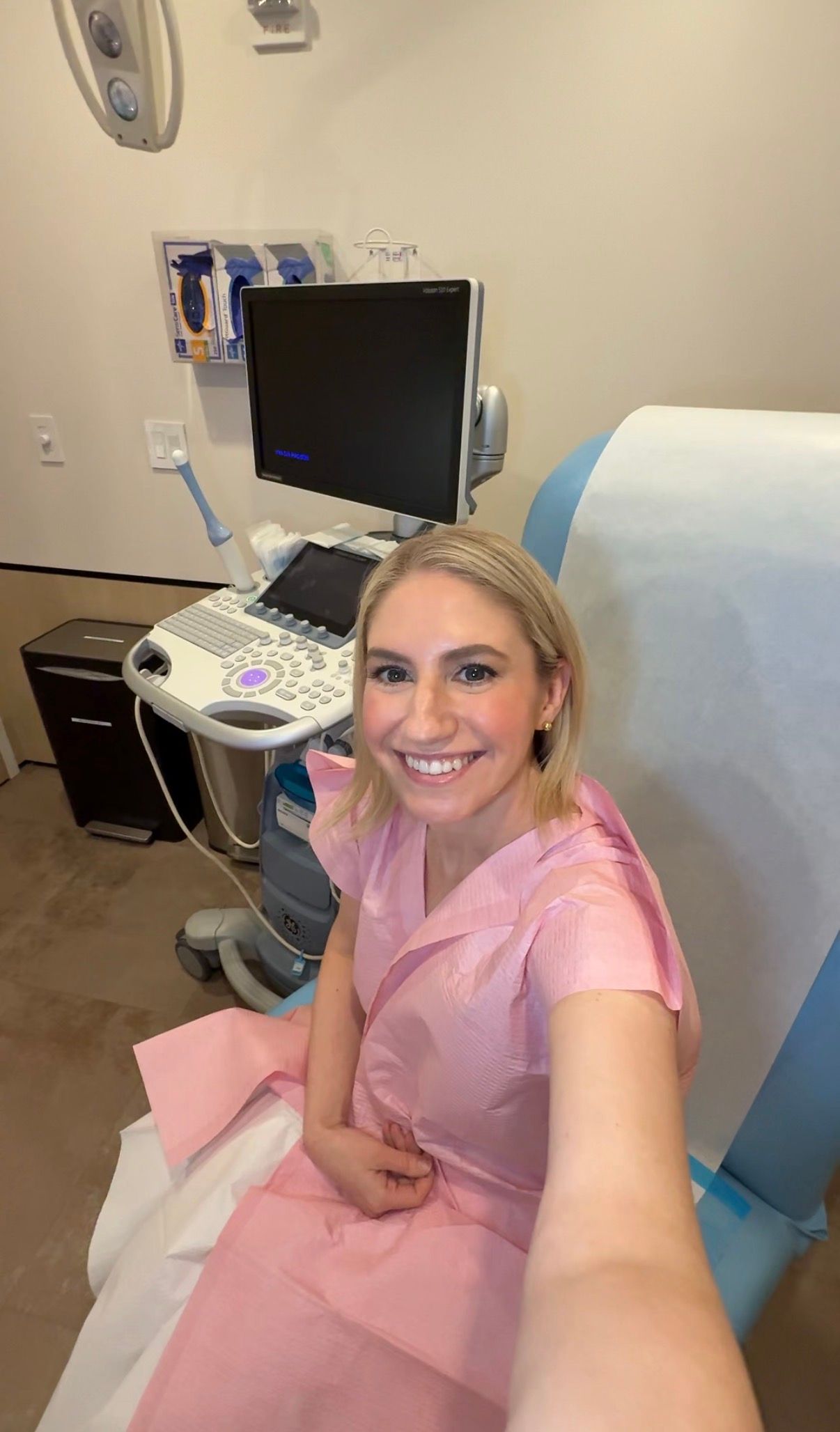
I woke up in a recovery room at 9:01 a.m., and was offered some juice. I texted my husband to let him know I was done—the office also called him and he came to pick me up. I was able to regain all functions (breathing, standing up and walking around on my own) within 30 minutes with no side effects. I walked out of the center and into my Uber at 9:35 a.m. (My husband had to come and escort me home, legally, though I felt totally fine). After I was safely home, he went back to work and I rested for the day until I picked up my daughter from school at 3 p.m.
Was it worth it?
Dr. Peña says that anesthesia is not typically used for an IUD insertion because it is a relatively quick procedure, which is true—it takes between 10 and 20 minutes, and it’s not always painful for everyone.
However, on my third go-around, the thought of even five minutes of intense pain felt like an eternity. By undergoing sedation, I also avoided the months of anxiety and stress leading up to a procedure I knew would cause me pain and suffering. For me, going under was the best decision I could have made, and I would do it again without hesitation.
Related:
- A Celebrity Ob-Gyn on Why Doctors Still Dismiss Endometriosis
- No, Birth Control Isn’t Abortion—Plus 16 Other Contraception Myths to Drop
- Why Do Thousands of Women Feel the Pain of Their C-sections?
Get more of SELF’s great service journalism delivered right to your inbox.
